Gather. Build. Explore. Repeat.
Your island workshop is ready. The tide's coming in soon.
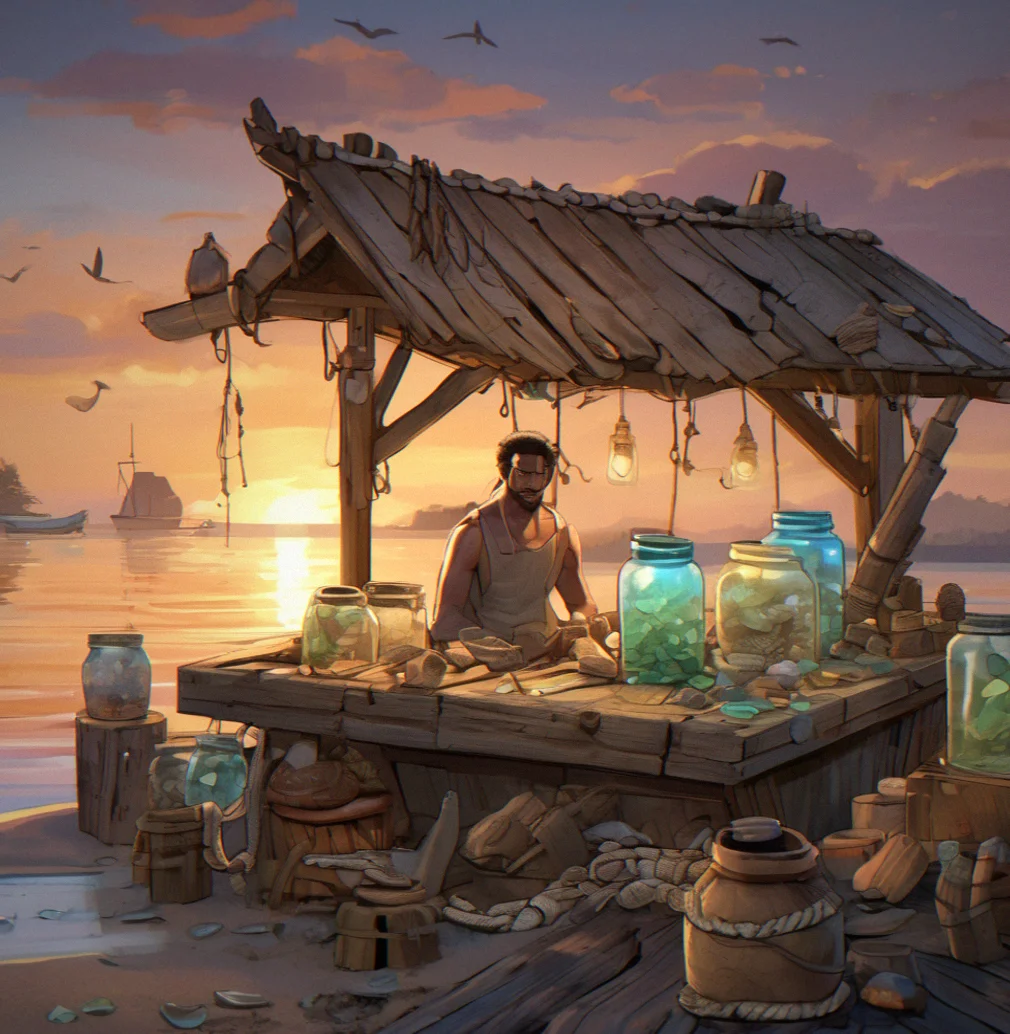
You're standing on an old wooden dock that's seen better days and it's yours. Driftwood sits in neat stacks everywhere. Sea glass is lined up in jars on the shelf, glowing in the late afternoon sun. This is Craft Anchor—no countdown timers hanging over your head, no pressure to rush, just you and the quiet reward of turning whatever the ocean washes up into something you actually made. Watch your boat get visibly better. Grow your workshop space. Make things like reinforced sail kits and lanterns with coral inlaid in them that actually do something. (There are shipwrecks and tide pools hiding things worth finding too—but you'll only discover them if you stick around long enough for the water to drop.)
Watch what you're building
What does actually progressing feel like in Craft Anchor? Your boat becomes something more. The workshop fills up with tools and materials you've hunted down yourself. Islands show themselves bit by bit, each low tide pulling back the curtain a little further.
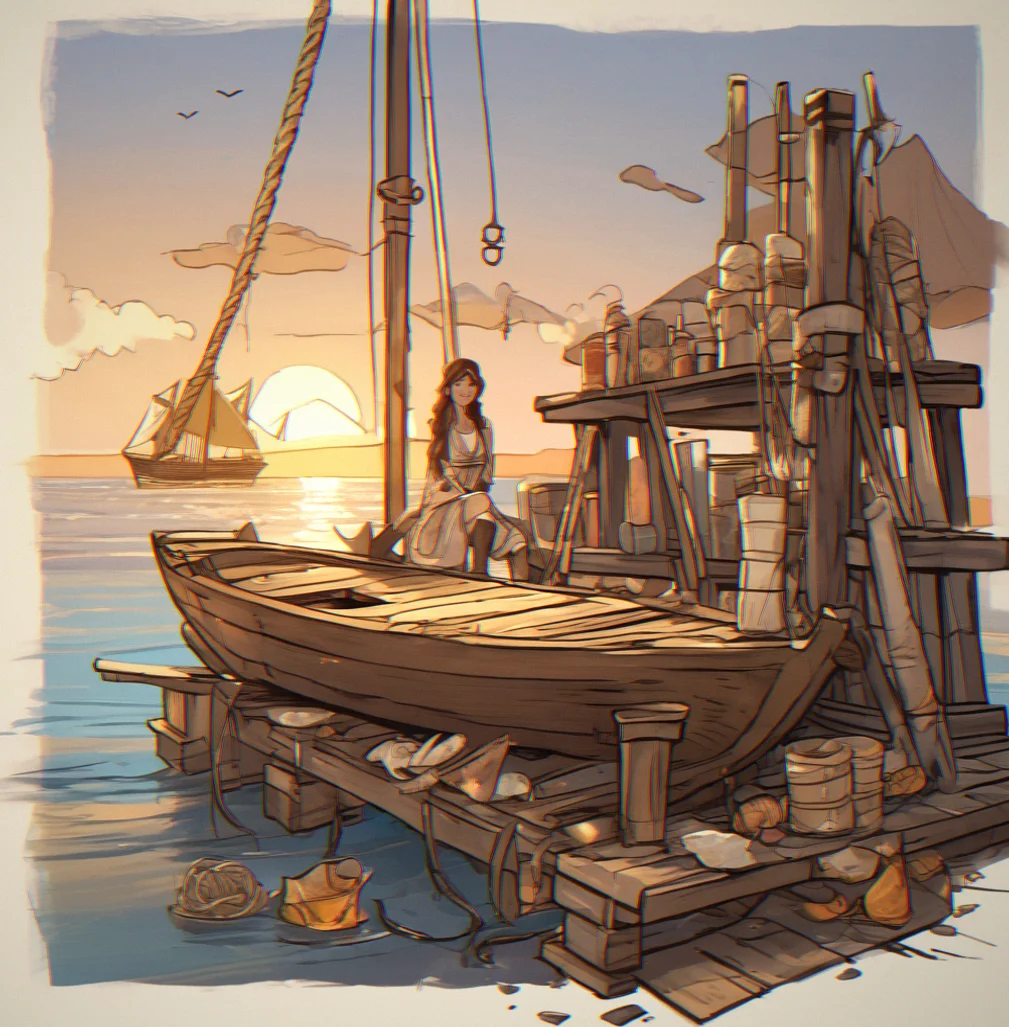
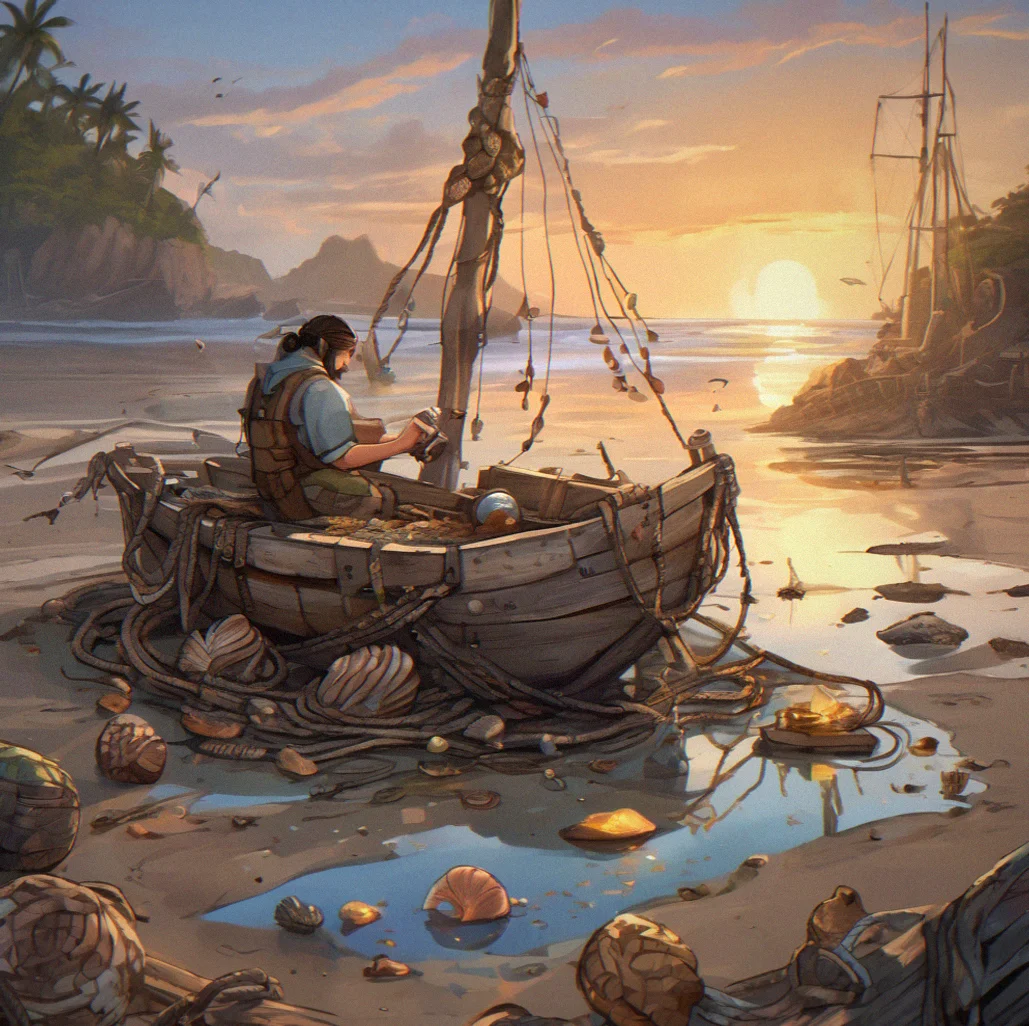
Your boat actually transforms. You watch the hull get stronger. The sail you made catches wind like it was always meant to be there.
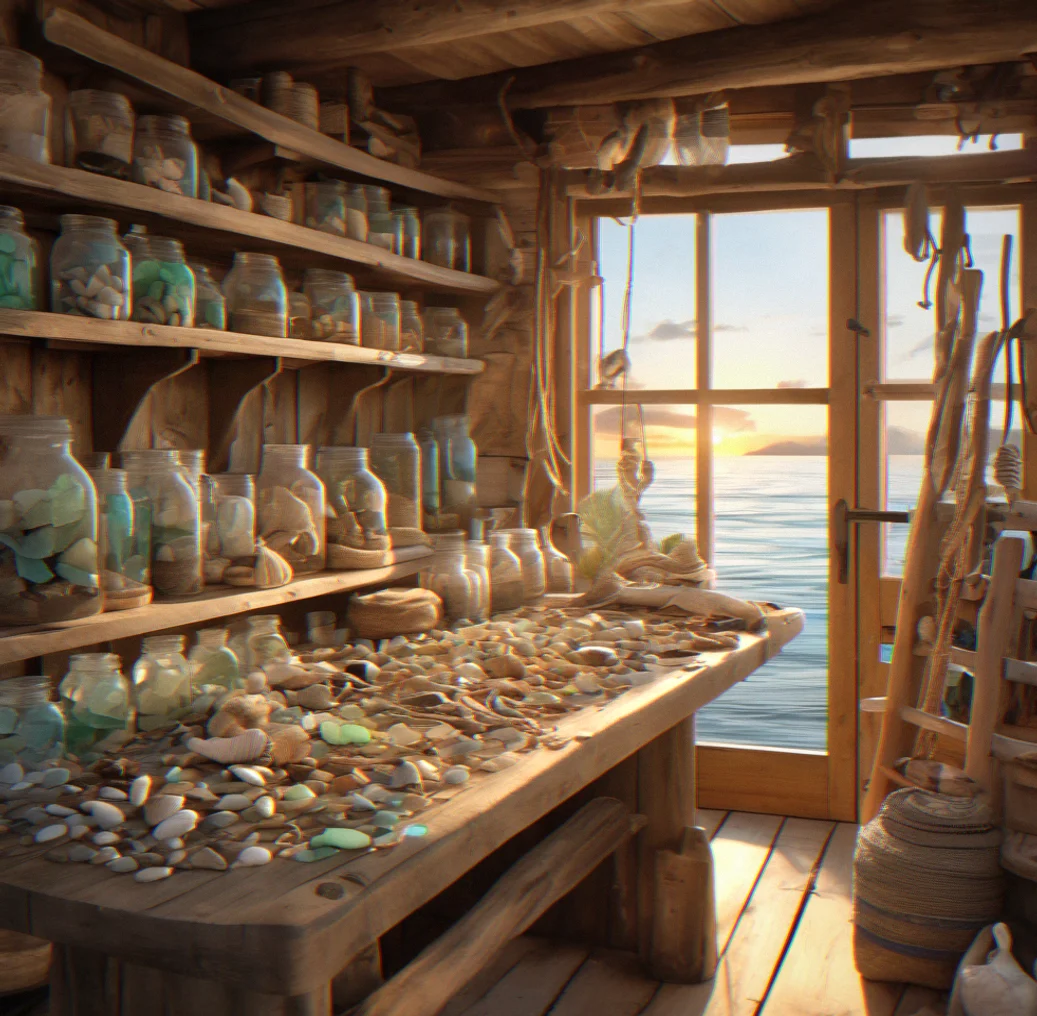
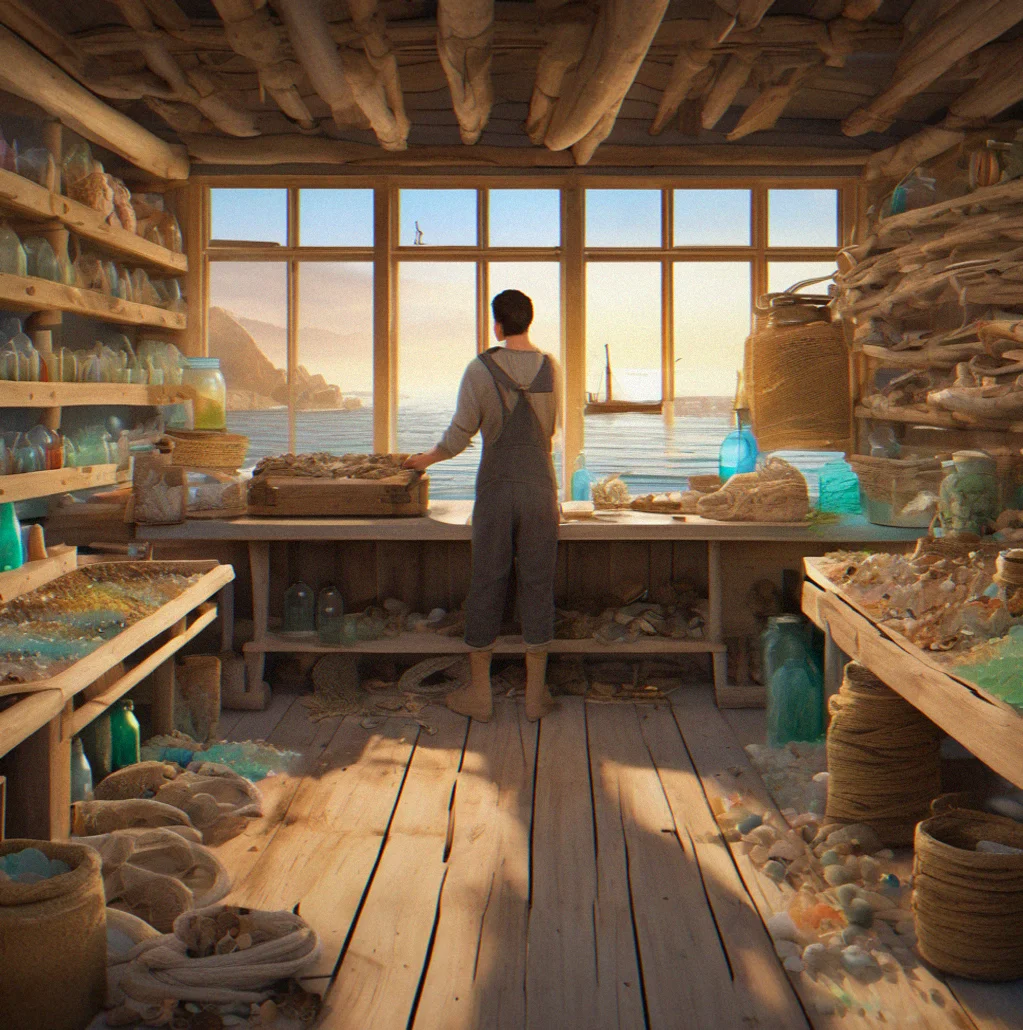
As you keep working, the workshop sprawls outward. More benches appear. Shelves get crammed with what you've gathered. Everything finds its place because you put it there.
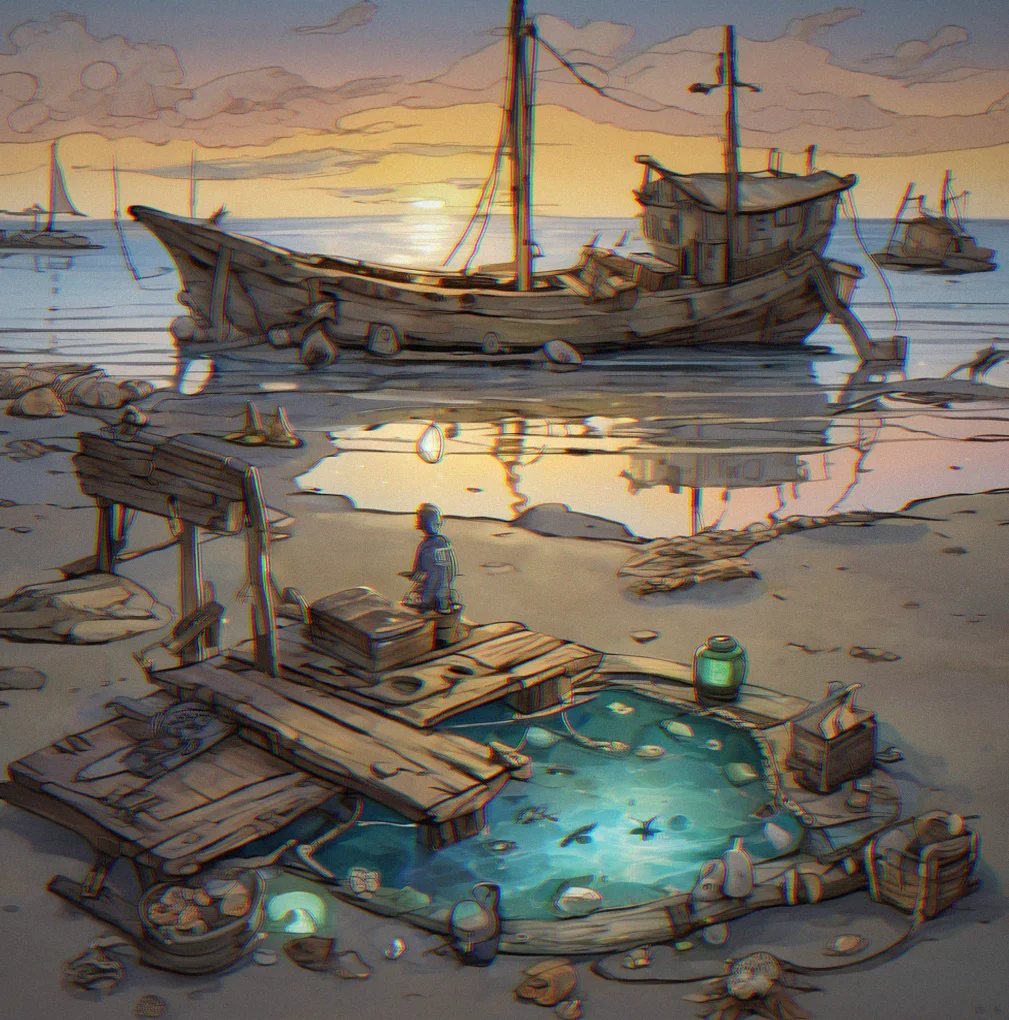
Tide pools keep whatever the ocean decides to leave behind. Rusted keys. Cargo from ships you'll never know. A lighthouse keeper's journal, the pages still damp from years underwater.
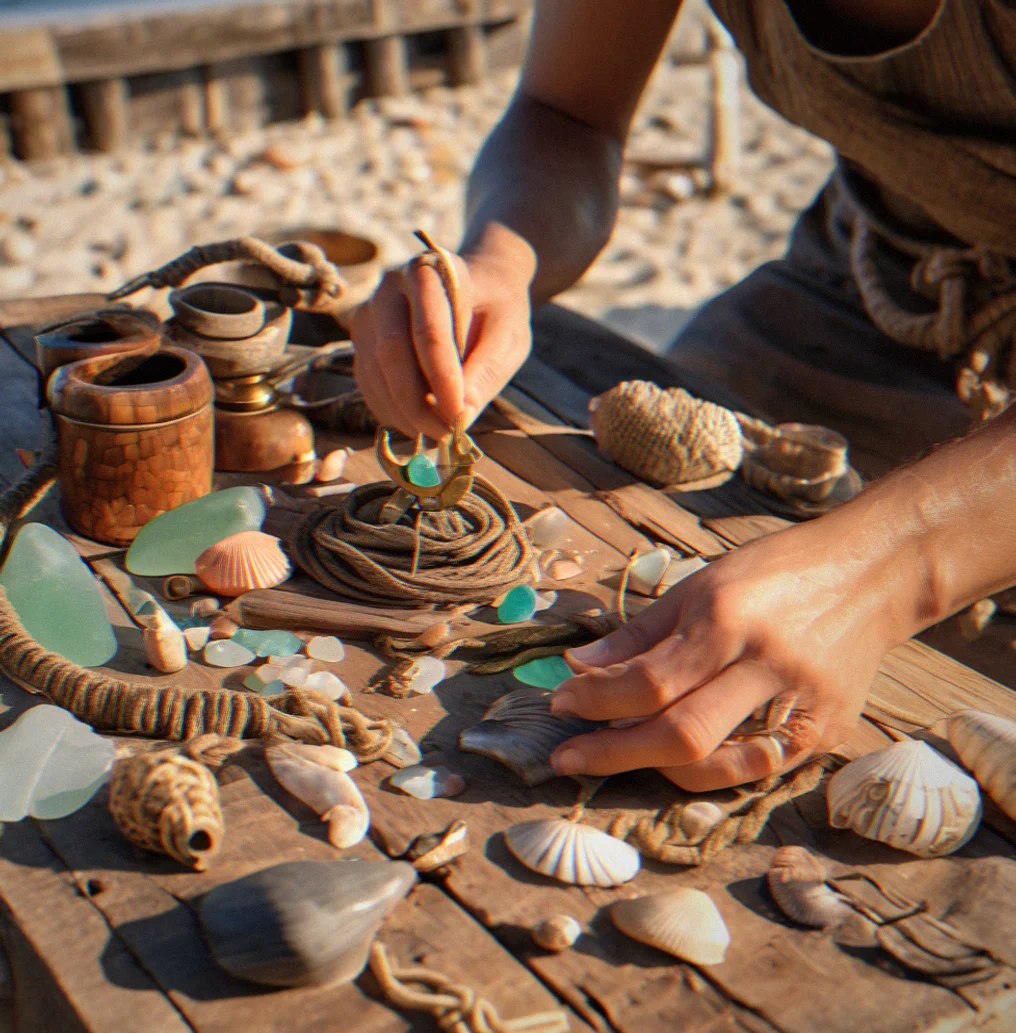
How gathering and crafting actually work
Every island biome drops different stuff. The rocky eastern shore is where you find sea glass—those frosted white and sea-green pieces that have been tumbled smooth over years in the waves. Head north of your workshop and you'll see the driftwood forest, full of weathered timber in all kinds of shapes. Some pieces are light and silvery, others dense and dark, and plenty of them are bent at angles that make you wonder what kind of storm twisted them that way. The tide pools are trickier—you can only get to them when the tide's out—but that's where the old rope tangles up with cargo from shipwrecks that nobody's touched in decades. You gather everything by hand. No teleporting around. No systems doing it for you. The walk back to your workshop actually matters because it gives you time to think about what you're going to build.
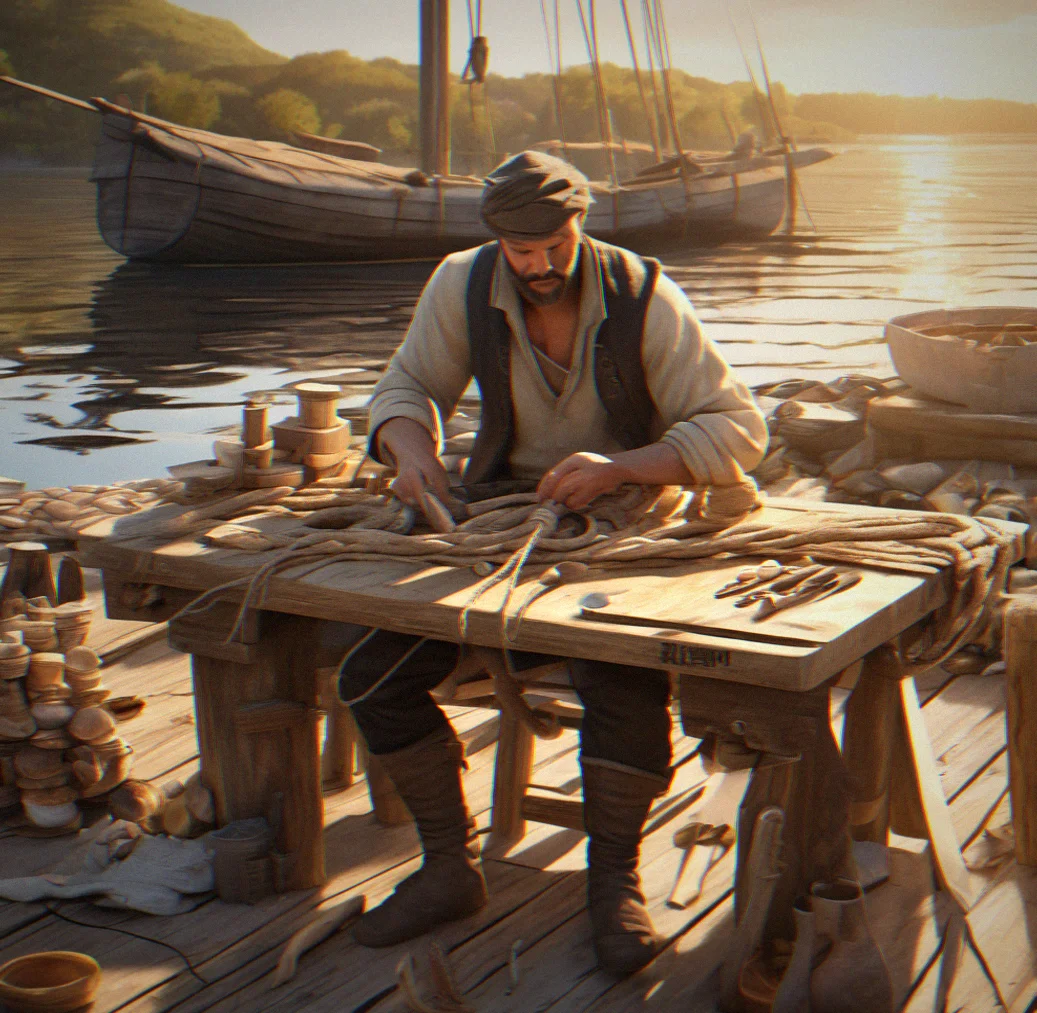
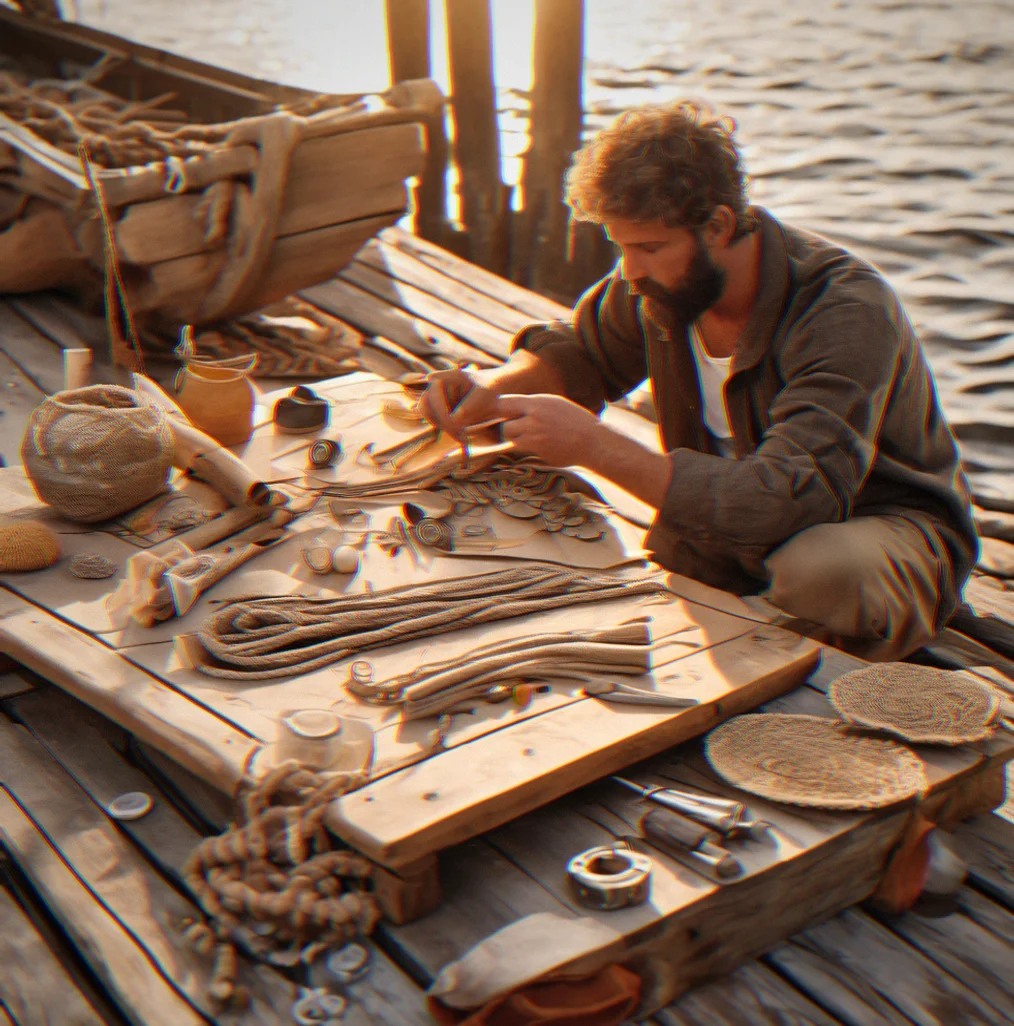
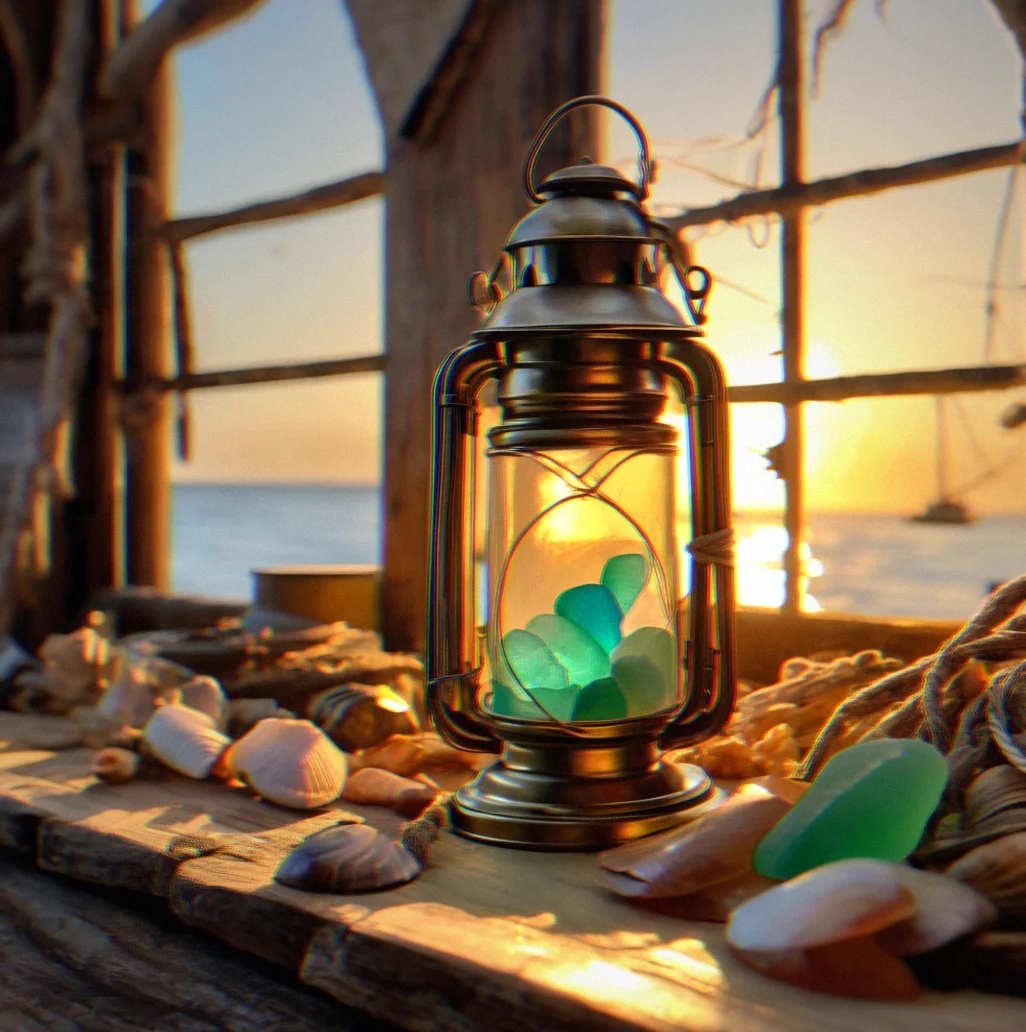
Your workbench is where the actual crafting happens. Say you want to make a reinforced sail kit. You need canvas, rope and wood dowels and they have to be the right combination. Leave one out and it won't work—there's no way around it and you can't just swap things out for something close. You put the items together, confirm it, and you get to watch as your hands shape them into something finished. A coral-inlaid lantern is sea glass, brass fittings and whale oil. Once you make it, that lantern doesn't just sit in your inventory taking up space. You put it somewhere in your workshop or trade it to a fisherman who stops by, and he gives you coin. Things you craft actually do something. That's what makes it Feel real.
There's ocean lore hidden all across the islands if you know where to look. An abandoned lighthouse is half-buried on the northern shore. You'll find old journal entries wedged between rocks in the tide pools sometimes. After a storm, shipwreck timbers wash up from the sand and you can dig through the cargo holds to find materials you've never worked with before. So you explore not because some quest marker is pointing you somewhere, but because you stumbled onto something that made you curious enough to come back at low tide and dig a little.
Islands and how you grow here
A typical day in Craft Anchor goes something like this: you head out to three different biomes, grab whatever materials speak to you, haul them back to your workshop, and make something. The changes pile up quick enough that you actually notice them.
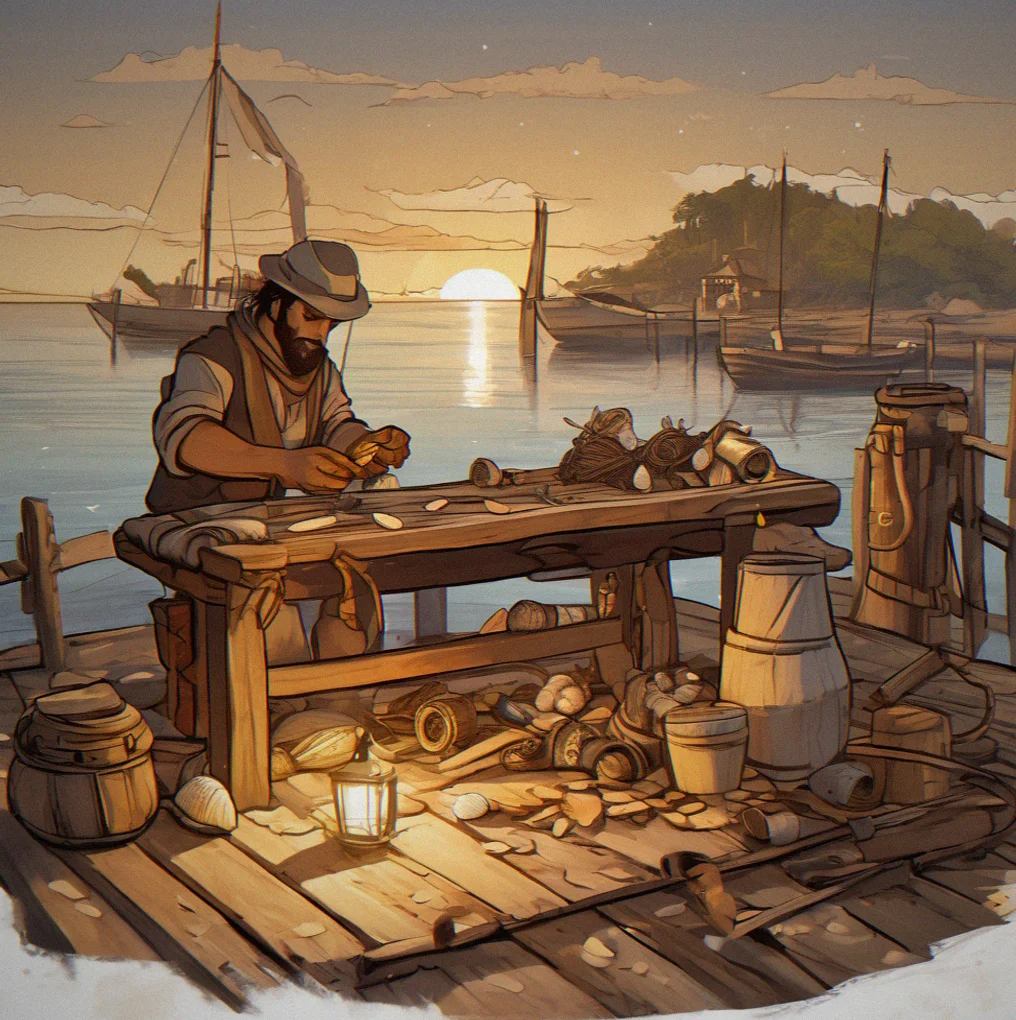
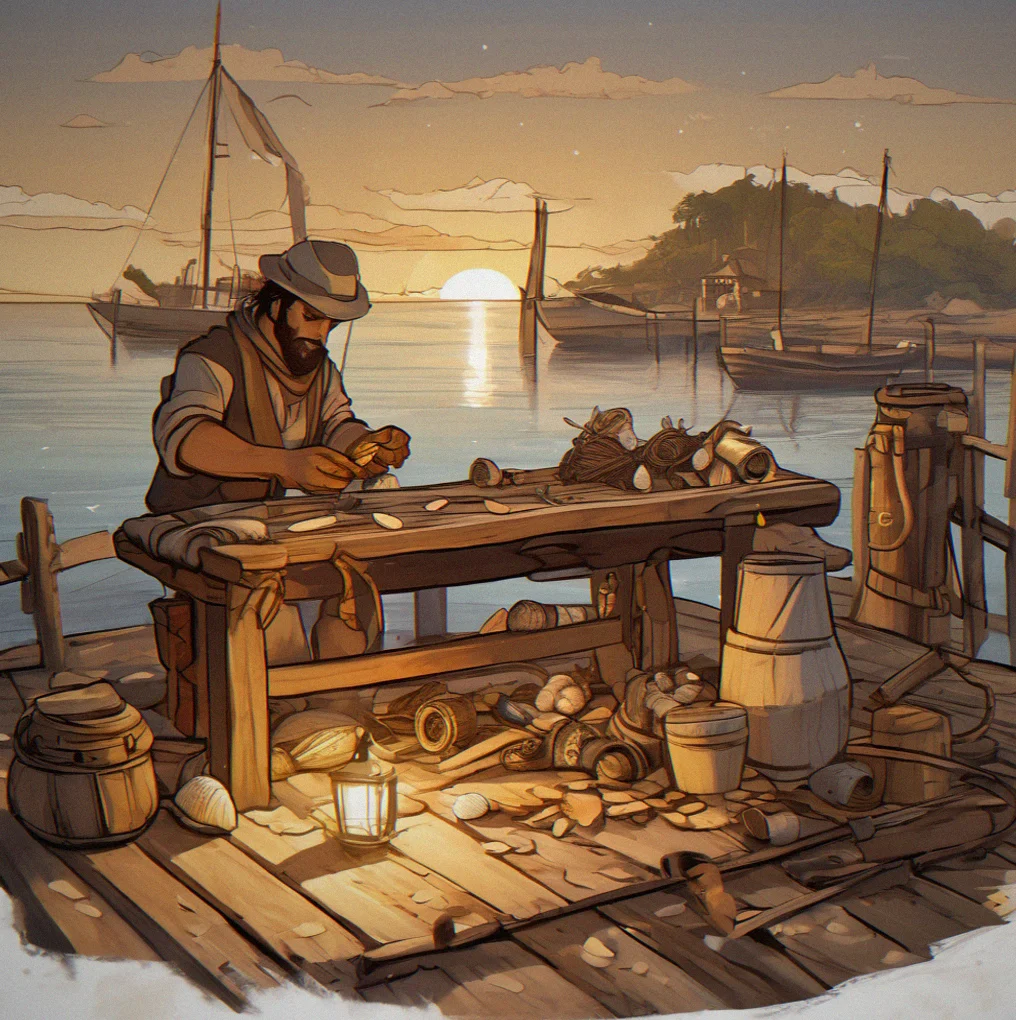
Driftwood forest. Some pieces are arrow-straight, some curve like they're still remembering the ocean. Some dense enough to sink, some light as air. You grab what your next project needs.
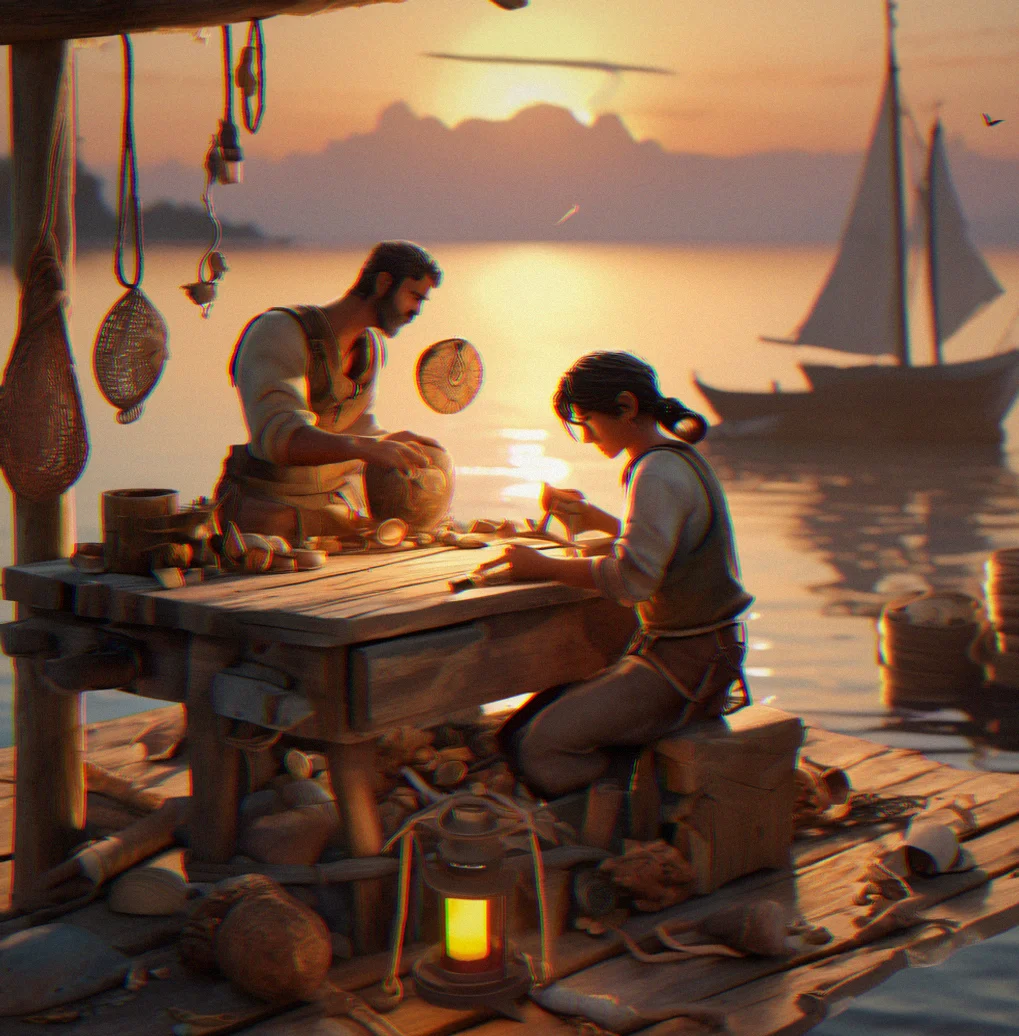
Sea glass collects on the rocky shore. Frosted white. Soft green. Deep blue. You find yourself drawn to different colors depedning on what you're building.
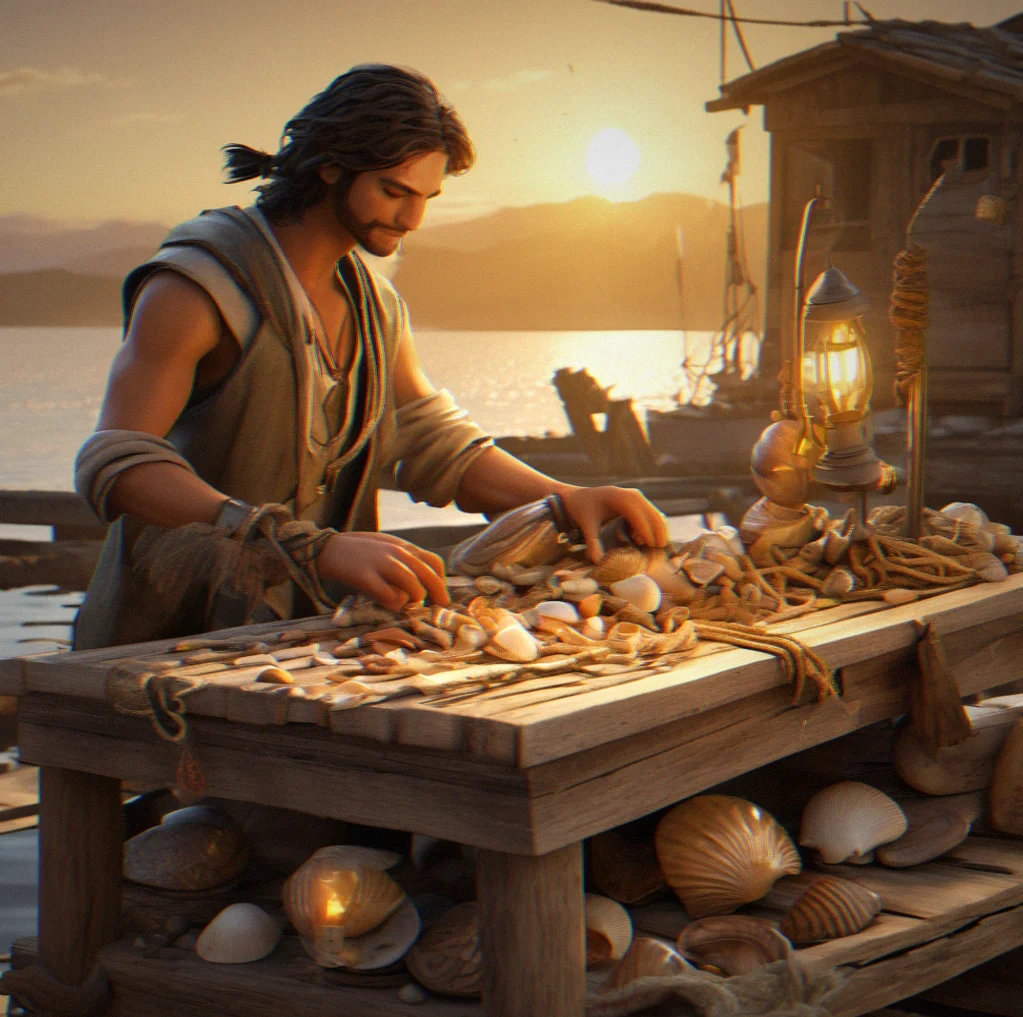
When the tide goes out you get rope tangled around old moorings. Sometimes cargo from shipwrecks that nobody's touched in decades. It's worth the wait.
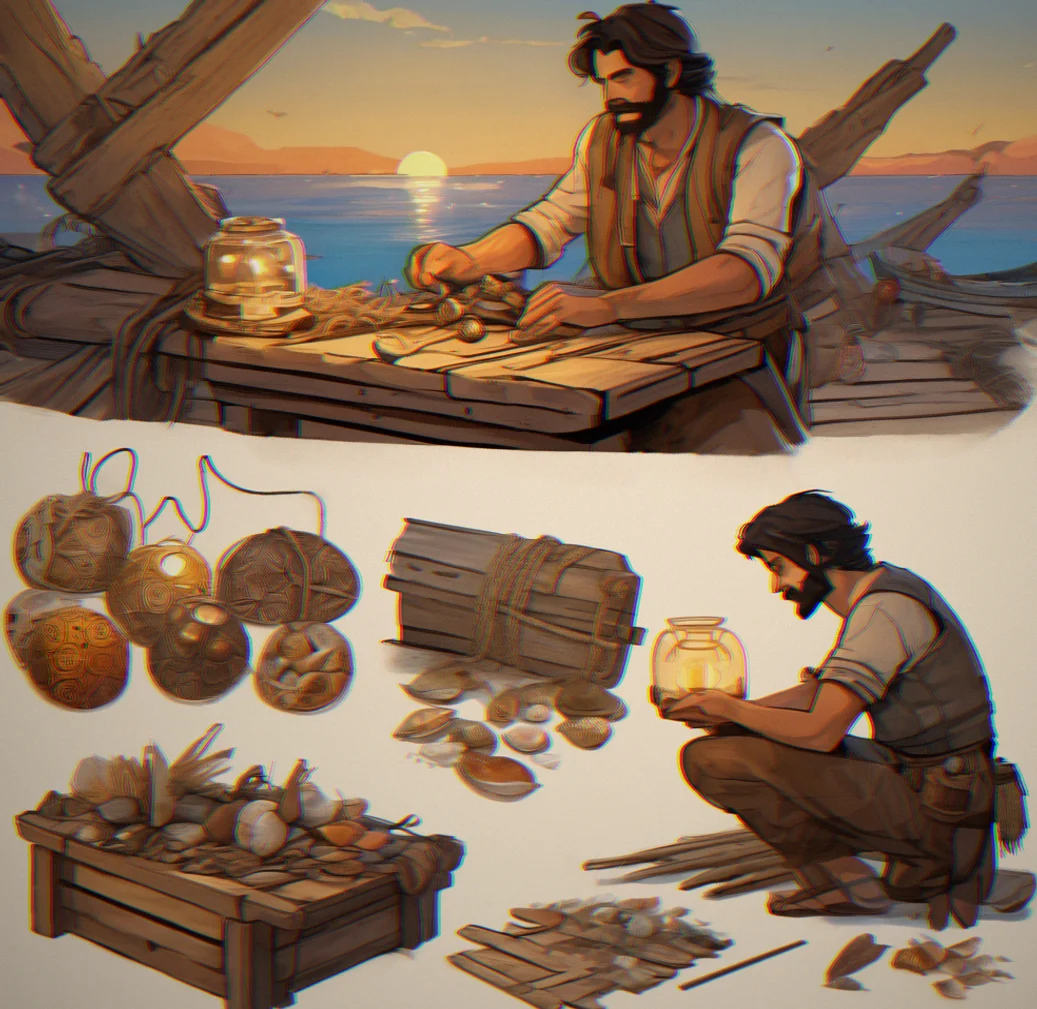
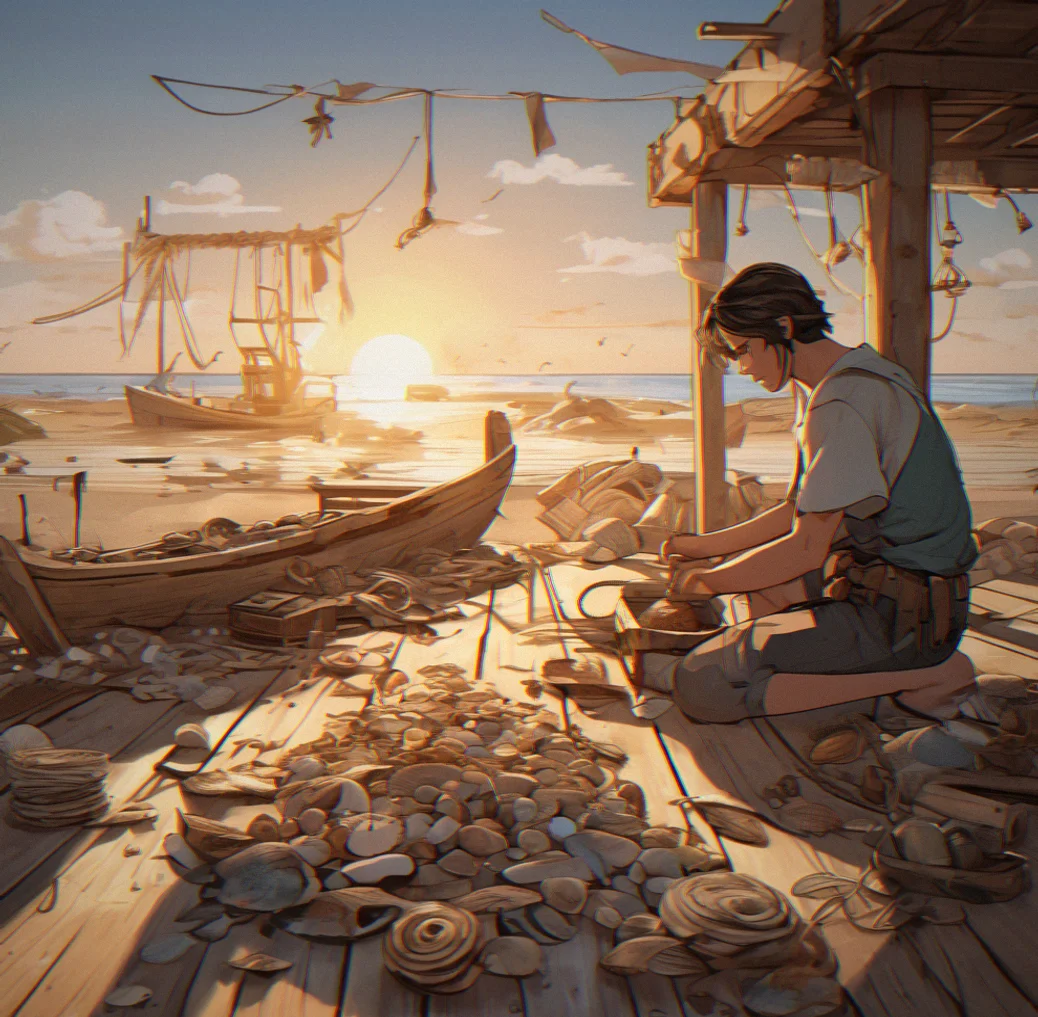
Your Workshop a few weeks in. Shelves are packed. Workbenches got bigger. Every bundle and jar is exactly where you decided it should be.
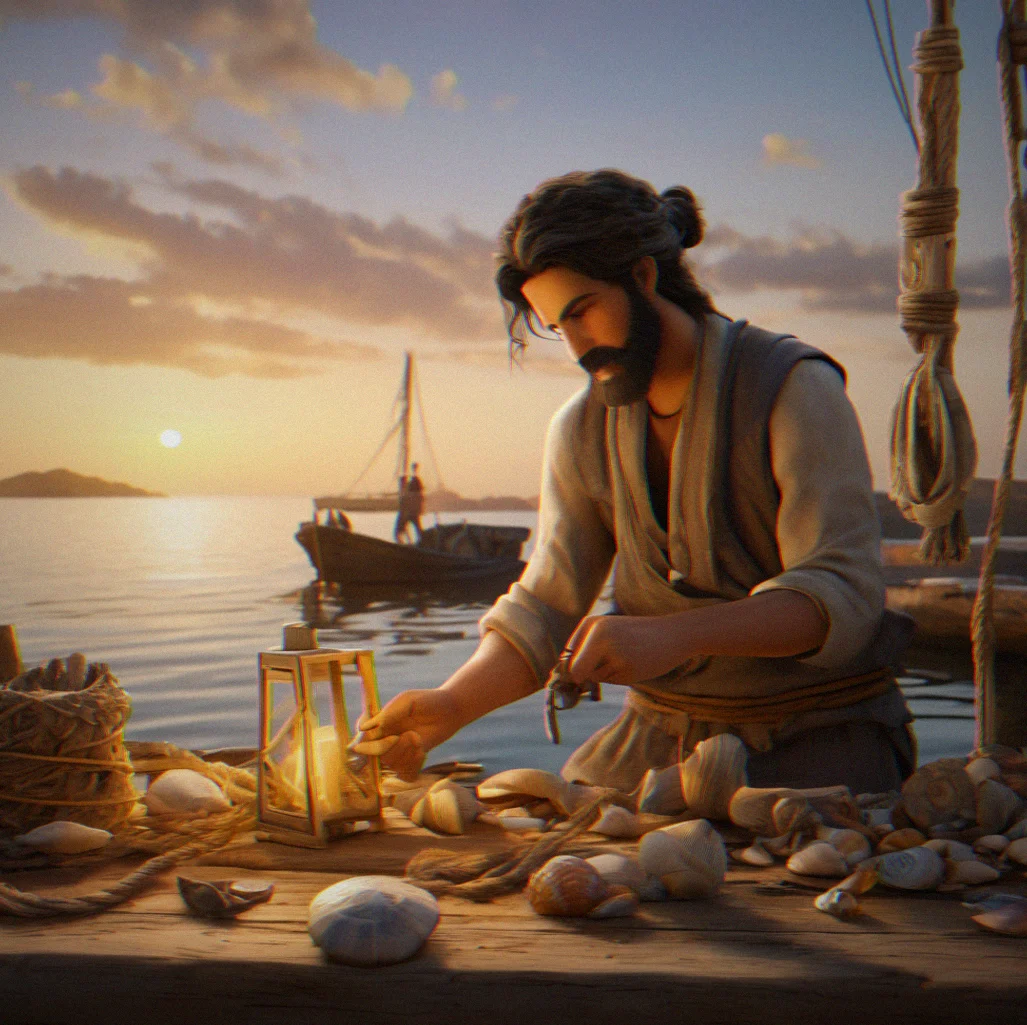
Making a reinforced sail kit. Canvas. Rope. Dowels. There's no way around it—you just sit at the bench and do the work.
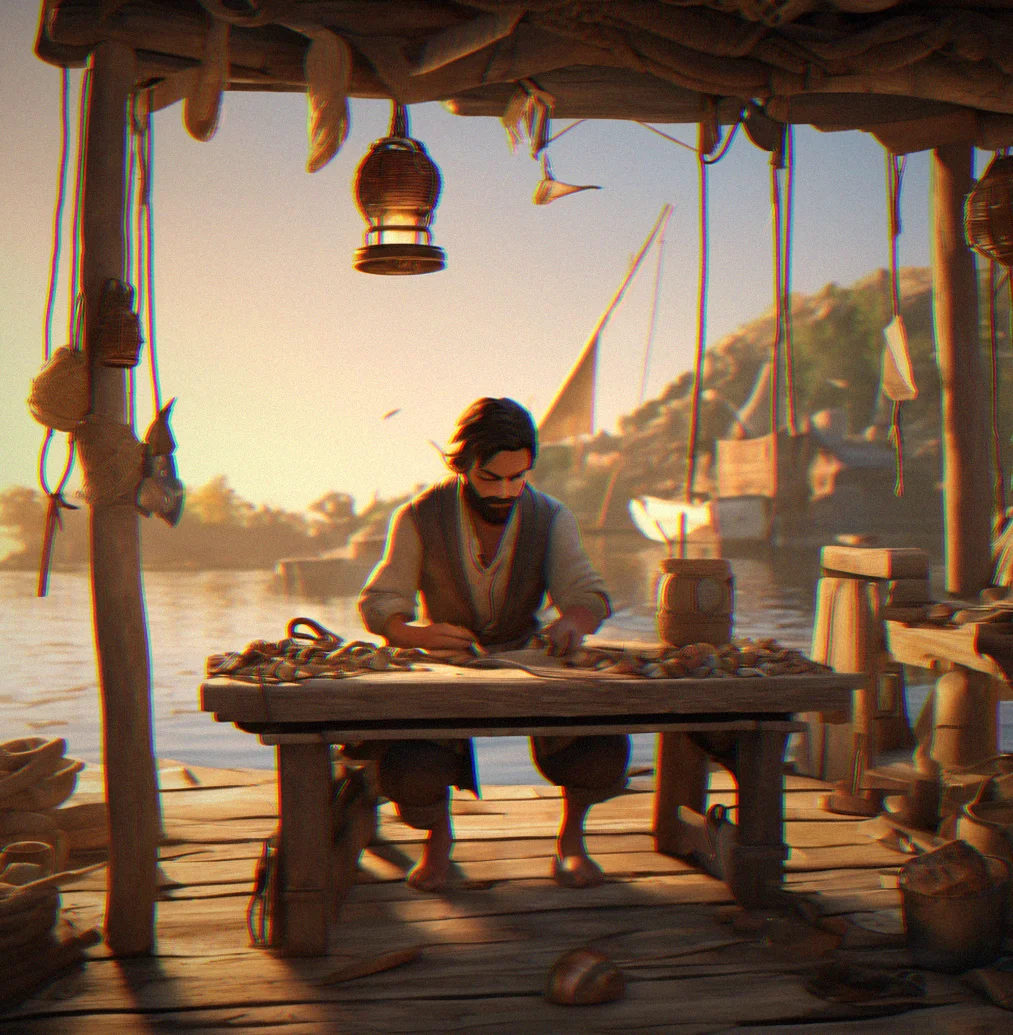
Your boat after you've been at this for a while. The hull is stronger. The sail is new. You made every single part of it and that's the thing that sticks with you.
What makes Craft Anchor different
Around 50 pieces of driftwood per trip. Three island biomes. One workshop that grows with you.
No timers. No rush.
Gather whenever. Craft whenever you feel like it. The ocean's not checking your clock and the game isn't either. Spend three hours at your workbench or come back tomorrow—everything stays put.
Materials from three distinct biomes
Rocky shores give you sea glass. The driftwood forest is full of timber in every possible shape. Tide pools have rope and a whole lot of mystery too. Every place has its own character, its own way of doing things. Every place rewards you differently.
Crafted items serve real purposes
A reinforced sail kit isn't just taking up space in your inventory—it actually opens up new islands you can reach. A coral-inlaid lantern brightens your workshop and gets you silver when you trade it. Nothing you make exists without a reason. Something in the game needs it.
Your boat visibly upgrades
The hull gets stronger right before your eyes. That sail you stitched yourself? You'll watch it fill out on the mast. Months of gathering and crafting later, you're looking at a boat you barely recognize from where you started. It's real. It's there. It's yours.
Ocean lore woven throughout
Shipwrecks break through the sand. Lighthouses stand empty on distant islands. Journals tucked into tide pools. The story isn't handed to you—you find it because you were curious enough to look around. Because you stuck around for low tide.
Building something real, piece by piece
You start with an empty workshop and a boat that's seen better days. Over the next few weeks, you're making trips to the forest, hauling back driftwood—your boat can carry around 50 pieces at a time, which is both a blessing and a limitation. You haul it back to your dock and start sorting. Straight pieces become frames. The curved ones? Those are perfect for decoration. Everything crooked gets stashed for structural bracing. The sorting takes forever, honestly but that's kind of the whole thing—mindless work that lets your brain just... settle. You're not chasing some leaderboard score. You're building something that actually matters to you.
Your boat transforms gradually. The hull gets stronger. A cabin starts to rise from the deck. The sail you made from canvas and rope finally catches wind the way you wanted it to. Meanwhile your workshop itself keeps growing—new benches unlock, shelves keep appearing, and tools find their places because you're the one putting them there. Sea glass gets sorted into jars by color. Rope coils up in neat bundles. The fisherman shows up on Fridays looking for cordage coils you made the previous week. He pays you for them. You buy better tools. Everything feeds into everything else—and that's what makes it stick.
Gather from three distinct biomes
The rocky shore yields sea glass. Head into the driftwood forest for timber. Check the tide pools when the water's low and you'll find things most people miss. Each spot has its own materials and its own feel.
Craft named items with specific recipes
Reinforced sail kits. Coral-inlaid lanterns. Cordage coils. Salvage journals. Nothing's interchangeable—every recipe exists because something in the game actually needs it.
Watch your boat visibly upgrade
Every reinforcement, every new sail, every cabin expansion shows up on your dock. Months of work pile up into something real you can actually see and touch.
Unlock ocean lore and hidden locations
Shipwrecks surface from the sand. Lighthouses stand abandoned waiting for someone to notice them. Journals wedged into tide pools hold stories. You explore because you're genuinely curious, not because the game is pointing you somewhere.
Play at your own pace
There are no timers hanging over your head. No one's pushing you. Spend three hours at your workbench or step away and come back whenever—the game just waits. Progress feels like something you actually earned.
Life on your island
Six months in. Started with nothing, built a workshop from scratch. A boat that's actually yours now. Everything sorted by hand, everything made one piece at a time.
What you should know
Real questions from people who've spent time with Craft Anchor. No pitch—just honest answers about how it actually works and what to realistically expect.
You'll notice your boat changing within the first few hours. A reinforced hull section? That's roughly two gathering runs plus one crafting session. After a couple weeks of playing casually—maybe an hour or so at a time—your workshop will have grown to hold a couple extra benches and your whole boat will look nothing like it did at the start.
No optimization needed at all. There's no leaderboards, no countdown timers, nothing that rewards doing things the "right" way. You pick up driftwood, sea glass and rope whenever you feel like it. Want to spend three hours just sorting materials and watching the ocean? The game won't judge you for that.
You won't lose anything. Everything saves exactly where you left it. The driftwood stays put. Recipes don't vanish. Come back after a week and it's all still there waiting.
There's no final ending or victory state. Once your boat gets upgraded and your workshop expands, new islands start opening up—different biomes to explore, shipwrecks to find, tide pools hiding things you haven't discovered yet. You decide how fast you move and what to focus on. Some people spend months just building. Others love exploring. Most end up doing both.
Each of the three biomes—rocky shore, driftwood forest and tide pools—actually feels distinct when you're walking through it. What you find changes depending on where you are. When the tide goes out, tide pools reveal materials and fragments you haven't come across before. The meditative part is the whole point, not something you tolerate to get to the good stuff.
Craft Anchor runs fine on regular computers. You don't need a fancy graphics card. The game cares more about being clear and peaceful than pushing visual limits—readable text and clean visuals matter way more than raw fidelity.